Pharmaceutical Cold Chain
When the pharmacy cold chain fails, patient safety is the cost.
Certified pharma-grade reefers with 24/7 emergency callout. SAHPRA-compliant cold storage for vaccines, specimens, and pharmaceutical products.
In pharmaceutical cold chain, there's no margin for error.
Pharmaceutical cold chain can't afford downtime. If a vaccine fridge fails and the supplier can't respond until next week, the consequences run past stock loss, regulatory exposure, insurance claims, patient risk. Our certified Reefer technicians service refrigerated containers on all makes. Specialists on the units, not general contractors figuring it out on the day.
Cold-chain crossover: seafood cold storage shares the audit-trail logging and PPECB-aligned operating discipline that pharma customers will recognise. Mining camp cold storage covers the on-site clinic use case for remote operations.
Our Pharma Solution
Purpose-built pharmaceutical cold storage with the compliance documentation and emergency response your operations demand.
SAHPRA-compliant temperature control
24/7 emergency callout on SLV3 plans
Digital temperature monitoring and logging
Documented service records for audit compliance
Certified reefer technicians, not HVAC generalists
Backup and redundancy configurations
Multi-Compartment Conversions
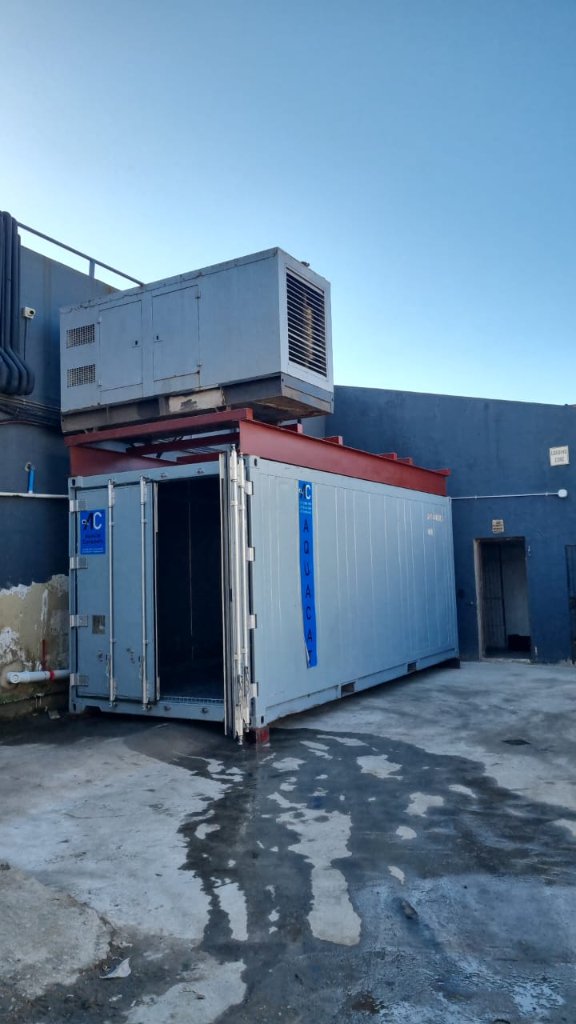
Specimen storage. Vaccine cold chain. Pharmacy backup. Three problems, one container.
Multi-compartment conversions with independent temperature zones and monitoring. Purpose-built for pharmaceutical workflows with compliance documentation.
Who Trusts Us
Healthcare Providers
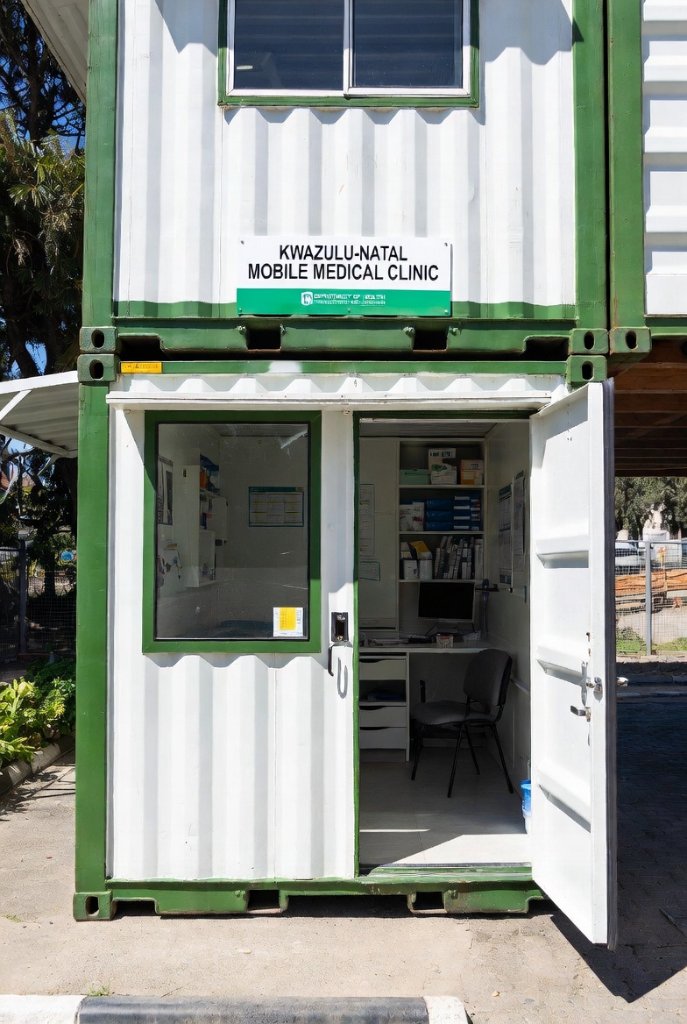
Netcare, Life Healthcare, and National Renal Care — organisations where cold chain failure isn't a financial inconvenience, it's a patient safety issue — trust AquaCat maintenance for their on-site pharmaceutical storage.
Laboratory Partners
Lancet Labs trusts our conversions for specimen storage — designed around real laboratory workflows.
Use Cases
Where pharmaceutical cold chain breaks down
Four scenarios where the right reefer infrastructure makes the difference between a compliant operation and a regulatory incident.
Vaccine programme cold chain
A regional clinic running a routine immunisation programme needs reliable +2°C to +8°C storage that never drops below zero. Standard pharmacy fridges lack continuous logging and are not rated for extended load-shedding events. A single temperature excursion can invalidate an entire vaccine batch, triggering disposal, wastage reporting, and regulatory scrutiny.
The AquaCat approach
A 3m or 6m reefer with digital temperature monitoring and generator compatibility provides continuous, auditable cold chain. Temperature data is logged and downloadable for compliance records. The unit is maintained by qualified refrigeration technicians on a scheduled basis.
Hospital pharmacy cold room failure
A hospital pharmacy's primary cold room compressor fails on a Friday afternoon. The unit holds insulin, biological medicines, and temperature-sensitive oncology drugs. Without an immediate backup, the cold chain gap triggers mandatory temperature excursion reporting and potential stock disposal.
The AquaCat approach
Same-day or next-day deployment of a pre-cooled reefer unit to the pharmacy loading bay. Temperature monitoring runs from the moment of delivery. The rental continues on a month-to-month basis until the primary cold room repair is complete, with full audit documentation throughout.
Clinical trial investigational product storage
A research site participating in a clinical trial must store investigational medicinal products under validated temperature conditions. The sponsor's protocol specifies +2°C to +8°C with continuous monitoring and a documented audit trail. The site's existing equipment does not meet the data logging requirement.
The AquaCat approach
A converted reefer unit with independent temperature monitoring, calibrated data loggers, and alarm notification supports the study's chain-of-custody requirements. Service documentation and calibration certificates are provided to satisfy sponsor or CRO audit requests.
Diagnostic laboratory specimen overflow
A diagnostic laboratory experiences a surge in specimen volume during peak testing periods or when a nearby facility redirects samples. Existing storage reaches capacity and overflow specimens risk temperature exposure during the sorting process.
The AquaCat approach
A multi-compartment conversion with independent zones for serum samples, tissue samples, and reagents provides structured overflow capacity. The unit is positioned at the laboratory loading dock with internal racking configured to laboratory workflow. Rental scales with testing volume.
Regulatory Context
What SAHPRA GDP means for your cold storage
The South African Health Products Regulatory Authority (SAHPRA) regulates the distribution of medicines and health products in South Africa under the Medicines and Related Substances Act. Good Distribution Practice (GDP) guidelines set out the conditions under which medicines must be stored and transported to maintain their quality and integrity throughout the supply chain.
Temperature ranges that matter in pharmaceutical cold chain
| Storage Condition | Temperature |
|---|---|
| Refrigerated | +2°C to +8°C |
| Frozen | −15°C to −25°C |
| Ambient | +15°C to +25°C |
| Ultra-cold | −60°C to −80°C |
GDP guidelines require that cold chain storage equipment is qualified for its intended purpose, calibrated at defined intervals, and monitored continuously with alarms for temperature excursions. Maintenance records, calibration certificates, and temperature logs must be retained and available for inspection.
Questions to ask any cold storage supplier
- 1. Is continuous temperature data logging included, and can records be exported for audit?
- 2. Are temperature monitoring devices calibrated and are calibration certificates provided?
- 3. What is the maximum tolerated temperature excursion before an alarm triggers?
- 4. Is the unit generator-compatible, and what is the response time if mains power fails?
- 5. What documentation is provided at each service visit to support maintenance records?
Note: AquaCat Containers provides infrastructure designed to support GDP compliance. Final qualification, validation, and regulatory responsibility rests with the licence holder as required by SAHPRA regulations.
Validation & monitoring
Temperature mapping and audit-ready logging
SAHPRA expects a temperature mapping study covering at least one calendar year, demonstrating the unit holds spec across seasonal extremes. Continuous monitoring with documented review of the data. Calibration of monitoring equipment with traceable certificates. The unit is designed to meet GDP and GSP temperature integrity expectations — the compliance certificate sits with your licence holder. What we supply is a unit that doesn't fail the audit on the asset itself.
Tier 1
Controller display only
Standard unit, no logger. Not recommended for pharma. Acceptable for non-regulated low-value cold storage.
Tier 2
Local logger
Stand-alone temperature logger inside the cargo space. 1-to-5-minute intervals. Records download via USB or wireless. Logger calibration certificate provided on request. Suits a customer who pulls data weekly for the QA file.
Tier 3 · Recommended
Remote monitoring
Cellular or Wi-Fi logger reporting to a cloud dashboard. Real-time alerts on excursion (email + SMS). Exportable CSV and PDF for the QA file. Reports independent of the unit's controller. Load-shedding resilient on internal battery.
Mapping reports
For new pharma rentals we can place dataloggers at multiple points inside the unit before commissioning and run a 24- to 72-hour mapping cycle. Longer mapping (week-long, multi-season) is also available. The mapping report is a quote line item separate from the rental — specify the monitoring tier and mapping requirement upfront so it's quoted properly.
Configuration
Sizes and fit-out options for pharma cold chain
Every pharmaceutical cold storage requirement is different. Here is how AquaCat units are typically configured for healthcare settings.
Clinic & Dispensary
Ideal for a general practice, clinic, or dispensary needing dedicated pharmaceutical cold storage separate from kitchen or catering equipment.
- +2°C to +8°C pharmaceutical range
- Adjustable shelving for vials and boxes
- Single-phase power compatible
- Digital monitoring and logging
Hospital Pharmacy & Lab
The most popular size for hospital pharmacy backup, laboratory specimen storage, and multi-product pharmaceutical distribution points.
- Dual-zone conversion available
- Pharmaceutical-grade racking
- Independent temp monitoring per zone
- Genset-compatible with ATS option
Distribution Hub & Research
For pharmaceutical wholesalers, medical distributors, and research facilities needing large-volume, multi-zone cold chain capacity at a single site.
- Multi-compartment with up to 3 zones
- Cold room-style interior fit-out
- Centralised monitoring dashboard
- Access control options available
Load-Shedding Resilience
Stage 6 doesn't care about your compliance calendar.
A standard pharmaceutical refrigerator loses compliant temperature within 30 to 60 minutes of a mains power failure. In a Stage 6 schedule with three 4-hour outages per day, that is three critical windows where insulin, vaccines, and biological medicines are at risk every 24 hours.
AquaCat reefer containers are engineered for generator compatibility. The refrigeration unit's power intake is matched to a correctly sized genset so that when mains power drops, the generator takes over without a temperature excursion. For facilities with automatic transfer switches, the unit can be integrated into the building's backup power circuit. For those without, we can advise on standalone generator sizing.
Unlike pharmaceutical-grade chest freezers and under-counter fridges that are not designed for generator connection, reefer containers are purpose-built for off-grid operation. The same units that run in remote mines and construction sites are the units that keep your medicine cabinet cold through a South African winter of load shedding.
Request a QuoteFAQ
Pharmaceutical cold storage questions answered
Straight answers for pharmacists, lab managers, and procurement teams.
What temperature range does pharmaceutical cold storage require?
Are your containers designed to meet SAHPRA GDP requirements?
What happens to pharmaceutical stock during load shedding?
Can a reefer hold multiple temperature zones?
What documentation do you provide for cold chain audits?
How quickly can a pharmaceutical cold storage unit be delivered?
Can I use a reefer as a pharmacy cold room backup during renovation?
Do you service units on site or must they be returned for maintenance?
Get a Quote
Tell us what you need. We'll come back with availability and pricing — usually within a few hours.